

30 Apr What is Autism Spectrum Disorder?
ASD is a lifelong neurodevelopmental condition that affects how a person communicates, interacts socially, and processes information and sensory input.
Why does Autism Spectrum Disorder matter today?
Autism spectrum disorder is more common than many people realize, affecting an estimated 1 in 36 children globally according to surveillance data from organizations like the Yet many families still struggle to recognize early signs, access diagnosis, or understand what autism actually means in everyday life.
This gap creates confusion, delayed support, and missed developmental opportunities. Parents often notice differences early but are unsure whether they are serious. Adults may grow up undiagnosed, misinterpreting lifelong challenges. Schools and workplaces may not adapt effectively without awareness.
Autism spectrum disorder is not a disease that needs curing. It is a neurological difference that shapes how people experience the world. Early understanding, accurate diagnosis, and supportive environments significantly improve communication skills, independence, and quality of life.
This guide explains what autism is, why it happens, how it is diagnosed, and what support strategies work best across childhood and adulthood.
What is Autism Spectrum Disorder in simple terms?
Autism spectrum disorder is a developmental condition that affects communication, behavior patterns, sensory processing, and social interaction across a wide range of abilities.
ASD is called a “spectrum” because individuals experience it differently. Some people require daily support. Others live independently with minimal assistance.
Core characteristics typically include:
- Differences in social communication
- Repetitive behaviors or routines
- Focused interests
- Sensory sensitivities
Autism begins in early childhood, though it may be identified later depending on support needs and access to evaluation.
What causes Autism Spectrum Disorder?
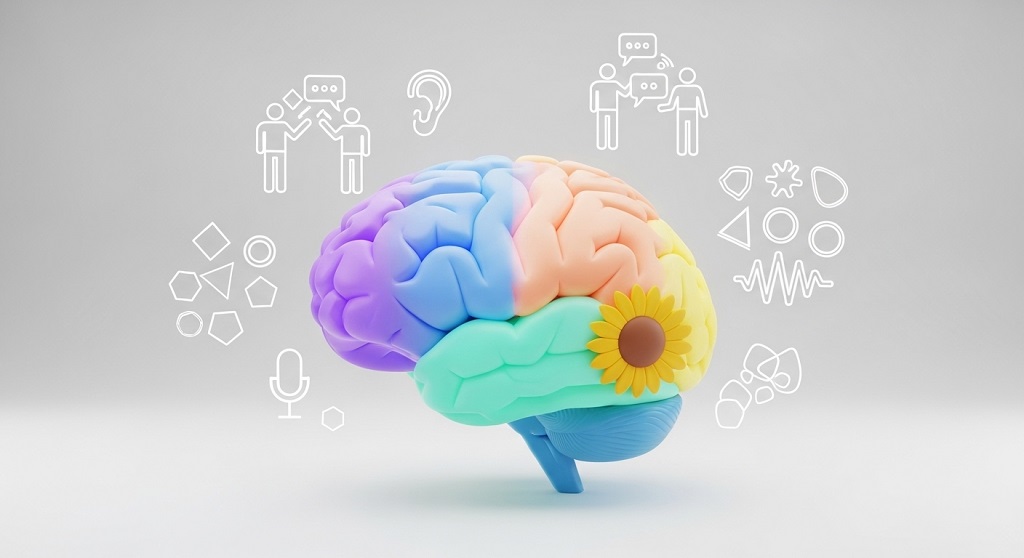
Autism spectrum disorder is primarily caused by genetic differences that influence early brain development, sometimes combined with environmental factors before birth.
Research shows autism is strongly heritable. Instead of one single cause, scientists believe multiple genes interact to shape neurological pathways linked to language, attention, and sensory regulation.
Are environmental factors involved in autism?
Environmental influences may contribute but do not directly cause autism on their own.
Examples studied include:
- Advanced parental age
- Premature birth
- Low birth weight
- Pregnancy complications
- Certain prenatal exposures
Importantly, vaccines do not cause autism. Large-scale global research consistently confirms this conclusion.
What are the early signs of Autism Spectrum Disorder?
Early signs of autism usually appear before age three and involve differences in communication, eye contact, gestures, play behavior, and response to social interaction.
Parents often notice subtle indicators before formal diagnosis.
Common early developmental signs
- Limited eye contact
- Delayed speech development
- Not responding to name
- Reduced pointing or waving
- Preference for playing alone
- Strong attachment to routines
- Repetitive body movements
What sensory differences appear in autism?
Sensory processing differences are among the most overlooked early indicators of ASD.
- Sensitivity to loud sounds
- Discomfort with certain textures
- Strong reactions to lights
- Seeking spinning or movement
- Avoiding physical touch
Recognizing these early patterns improves access to early intervention services.
How is Autism Spectrum Disorder diagnosed?
Autism spectrum disorder is diagnosed through behavioral evaluation using standardized developmental criteria defined in the :contentReference[oaicite:2]{index=2}.
There is no single medical test such as a blood scan or imaging study that confirms autism.
Steps involved in diagnosis
- Developmental screening
- Parent interviews
- Behavior observation
- Language assessments
- Cognitive testing
- Sensory processing evaluation
Diagnosis may be performed by:
- Developmental pediatricians
- Child psychologists
- Neurologists
- Speech-language specialists
Early diagnosis allows earlier access to therapy and educational support.
At what age can autism be detected?
Autism can often be detected reliably between 18 and 24 months, although signs may appear earlier in some children.
Screening tools used during routine pediatric visits help identify communication differences before school age. However, many individuals—especially girls and adults—receive diagnoses later due to subtler presentation patterns.
What are the different levels of Autism Spectrum Disorder?
Autism spectrum disorder is classified into three support levels based on communication needs and independence.
| Level | Description | Support Needs |
|---|---|---|
| Level 1 | Requires support | Challenges with organization, conversation, flexibility |
| Level 2 | Requires substantial support | Noticeable communication differences and structured routine dependence |
| Level 3 | Requires very substantial support | Limited verbal communication and high sensory sensitivity |
Support levels help guide intervention planning but do not define intelligence or long-term potential.
Is Autism Spectrum Disorder a disability?
Autism spectrum disorder is considered a developmental disability because it affects communication, behavior, and adaptive functioning in daily life.
However, many autistic individuals view autism as a neurological identity rather than a disorder. This perspective is part of the neurodiversity movement, which emphasizes acceptance and accommodation instead of normalization.
How does autism affect communication skills?
Autism affects communication by influencing speech development, conversational understanding, tone interpretation, and nonverbal interaction patterns.
Communication differences may include:
- Literal interpretation of language
- Difficulty reading facial expressions
- Reduced gesture use
- Delayed speech
- Monotone voice patterns
- Preference for written communication
Some autistic individuals communicate primarily through assistive technology rather than speech.
What behavioral patterns are common in autism?
Repetitive behaviors and structured routines help autistic individuals regulate stress and process information predictably.
Examples include:
- Hand flapping
- Rocking movements
- Repeating phrases
- Strict daily routines
- Collecting specific objects
- Focused interest in specialized topics
These behaviors often support emotional stability rather than indicating impairment.
How does autism affect learning and intelligence?
Autism spectrum disorder affects learning style rather than intelligence level, which varies widely across individuals.
Some autistic people have intellectual disabilities. Others demonstrate average or above-average cognitive ability, particularly in areas such as:
- Pattern recognition
- Memory recall
- Mathematics
- Visual reasoning
- Technical analysis
Educational success improves when teaching methods match individual processing strengths.
Can Autism Spectrum Disorder be treated?
Autism cannot be cured, but early support therapies significantly improve communication, independence, and daily functioning.
Evidence-based interventions include:
- Speech therapy
- Occupational therapy
- Behavioral therapy
- Social skills training
- Sensory integration support
- Parent coaching programs
Early intervention before age five produces the strongest developmental outcomes.
What therapies are most effective for autism?
The most effective autism therapies focus on communication skills, adaptive behavior, and emotional regulation rather than eliminating autistic traits.
Common intervention approaches
- Applied Behavior Analysis (ABA)
- Speech-language therapy
- Occupational therapy
- Play-based developmental therapy
- Social communication therapy
Therapy plans should always be personalized.
Can adults be diagnosed with autism?
Yes, many adults receive autism diagnoses later in life after recognizing long-standing communication or sensory differences.
Adult diagnosis often explains:
- Workplace stress patterns
- Social fatigue
- Routine dependence
- Specialized interests
- Sensory overload experiences
Diagnosis provides access to accommodations and self-understanding.
How does autism affect daily life?
Autism influences daily routines, relationships, education, employment experiences, and sensory comfort depending on individual support needs.
Examples include:
- Difficulty interpreting social expectations
- Need for structured schedules
- Sensitivity to noise or lighting
- Preference for predictable environments
- Strong focus on specialized interests
Supportive environments reduce stress and increase independence.

Can people with autism live independently?
Many autistic individuals live independently with appropriate support strategies, workplace accommodations, and social understanding.
Factors influencing independence include:
- Communication ability
- Executive functioning skills
- Access to therapy
- Educational support
- Employment accommodations
Independence levels vary widely across the spectrum.
How can families support someone with autism?
Families support autistic individuals best by creating predictable routines, encouraging communication tools, and adapting environments to sensory needs.
Helpful strategies include:
- Using visual schedules
- Supporting structured routines
- Encouraging strengths-based learning
- Reducing sensory overload
- Practicing patience during transitions
Family education improves long-term developmental outcomes.
Conclusion: Why understanding Autism Spectrum Disorder improves outcomes
Autism spectrum disorder affects communication, behavior patterns, and sensory experiences across a wide range of abilities. Early recognition allows earlier support. Personalized therapies improve independence. Inclusive environments reduce stress and increase opportunity.
Autism is not a limitation on potential. It is a neurological difference that benefits from structured support, awareness, and acceptance across schools, workplaces, and communities.
Learning how autism works helps parents respond sooner, educators teach more effectively, and adults advocate for themselves more confidently. If you suspect autism in yourself or someone close to you, professional evaluation is the first step toward meaningful support.
Understanding leads to access. Access leads to progress.
FAQ: Autism Spectrum Disorder (Quick Answers)
What is the main symptom of autism?
The main symptom of autism spectrum disorder is difficulty with social communication combined with repetitive behaviors or restricted interests.
Is autism genetic or environmental?
Autism is primarily genetic, although prenatal environmental influences may contribute to developmental differences.
Can autism be prevented?
Autism cannot be prevented because it results from early brain development differences rather than lifestyle factors.
Do autistic children speak later than others?
Some autistic children experience delayed speech development, while others develop language early but use it differently.
Is autism more common in boys than girls?
Autism is diagnosed more frequently in boys, though girls are often underdiagnosed due to subtler social adaptation patterns.
Can autism symptoms improve with age?
Symptoms may become easier to manage with therapy, structured support, and experience, but autism itself remains lifelong.
Is autism the same as ADHD?
No, autism and ADHD are separate neurodevelopmental conditions, although they frequently occur together.
Read More Also The Difference Between Love and Emotional Dependency
Discover More How Smile Trends Have Shaped Modern Cosmetic Dentistry in London
Sorry, the comment form is closed at this time.