


09 May How to Choose Arthritis-Friendly Sports Equipment for Pain-Free Play
Living with arthritis does not mean giving up the sports you love. Millions of people around the world manage joint pain while staying active. The secret often lies in choosing the right equipment. When you pick gear designed for your body’s needs, you protect your joints and enjoy the game far longer.
This guide walks you through everything you need to know. You will learn which features to look for, which sports suit your condition best, and how to make smart buying decisions.
Why the Right Sports Equipment Matters for Arthritis
Arthritis causes inflammation, stiffness, and pain in the joints. Physical activity, however, is one of the best ways to manage these symptoms. Studies show that regular, gentle movement keeps joints flexible and strengthens the muscles around them. The key word here is gentle.
Playing with the wrong equipment can make things worse. Heavy rackets strain the wrist. Hard-soled shoes increase knee impact. Poorly designed handles force your fingers into painful positions. Therefore, finding gear built for comfort is not a luxury. It is a necessity.
The right equipment reduces stress on vulnerable joints. It also gives you more confidence to stay active, which benefits both your body and your mental health.
Understand Your Arthritis Type Before You Shop
Not all arthritis is the same. Osteoarthritis mainly affects cartilage in weight-bearing joints like the knees and hips. Rheumatoid arthritis, on the other hand, is an autoimmune condition that can affect many joints at once, including the hands and wrists.
Knowing your type helps you prioritize. If your knees are the main problem, focus on footwear and cushioning. If your hands and wrists are affected, look closely at grip design and handle thickness. Always consult your doctor or physiotherapist before starting a new sport or buying new equipment. They can give advice specific to your condition and fitness level.
Key Features to Look for in Arthritis-Friendly Sports Equipment
Lightweight Construction
Heavy equipment demands more effort from already-strained joints. Choose rackets, clubs, or paddles made from lightweight materials like carbon fiber or aluminum. A lighter tool means less fatigue and less stress per swing or stroke.
Vibration Dampening
Shock from impact travels directly into your joints. Good arthritis-friendly gear absorbs this shock before it reaches your hands, wrists, elbows, or shoulders. Look for products that mention vibration dampening or shock absorption in their features.
Ergonomic Grips
Ergonomic grips are one of the most important features to consider. They are shaped to follow the natural curve of your hand. This reduces the amount of squeezing force you need to apply. Additionally, a grip that fits your hand size prevents unnecessary strain on your fingers and wrist. Many brands now offer oversized or cushioned grips specifically designed for people with joint conditions.
Adjustable Sizing
Equipment that can be customized to your body reduces awkward movements. Adjustable trekking poles, for example, let you set the perfect height so your arms stay in a natural position. Similarly, adjustable bike seats prevent your knees from overextending with each pedal stroke.
Non-Slip Surfaces
When joints are stiff or painful, grip strength often decreases. Non-slip surfaces on handles and equipment reduce the effort you need to hold on securely. This lowers tension in the hand and wrist muscles.
Best Low-Impact Sports and the Gear That Goes With Them
Low-impact sports gear is designed to keep stress on your joints to a minimum. Here are some excellent options to explore.
Swimming
Swimming is one of the kindest sports on arthritic joints. The water supports your body weight, so your joints bear very little load. You need very little equipment to get started. A good pair of water shoes with non-slip soles and a supportive swimsuit are enough for most people. Some swimmers also use paddles or floatation aids to reduce the effort of certain strokes.
Cycling
Cycling, especially on a stationary or recumbent bike, keeps your knees moving without heavy impact. When choosing a bike, look for a seat with good cushioning and wide, ergonomic handlebars. Gel gloves are a small but effective addition. They absorb vibration from the road and cushion your palms. Clip-in pedals can also help distribute force more evenly through the foot.
Walking and Hiking
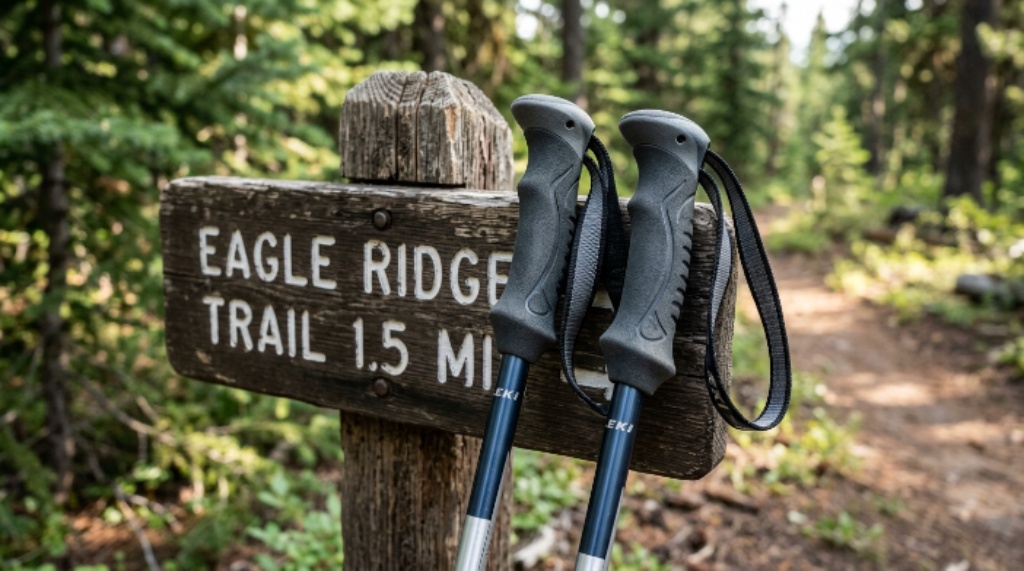
Walking is accessible and free. However, the right footwear makes a huge difference. Look for shoes with thick, cushioned soles, good arch support, and a wide toe box. Hard, narrow shoes force your toes together and increase pressure on the foot joints. Additionally, trekking poles take some weight off your knees on uneven terrain. Choose poles with comfort tools like foam or cork handles, which are gentler on arthritic hands than bare metal or hard plastic.
Pickleball
Pickleball has become very popular among older adults and people with joint conditions. The court is smaller than a tennis court, so there is less running. The paddle is lighter than a tennis racket. Many arthritis-friendly pickleball paddles now feature thick cushioned grips and flexible faces that reduce shock on contact.
Tai Chi and Yoga
These are not traditional sports but remain excellent activities for arthritis. They require very little equipment. A non-slip mat with good thickness is the main investment. Thicker mats cushion your knees and wrists during floor poses. Yoga blocks and straps also help you maintain proper form without straining joints.
Shopping Tips for Arthritis-Friendly Equipment
Go to a specialty store when possible. Staff at sports medicine shops or adaptive equipment stores can help you find the right fit. Online shopping is convenient, but you cannot test the feel of a grip or the weight of a racket from a photo.
Read reviews from people with similar conditions. Many arthritis communities online share detailed feedback on specific products. This is one of the best ways to find out if a product truly works for joint pain.
Try before you buy. Many sporting goods stores allow you to test equipment. Take your time holding a racket or paddle. Notice where the pressure falls in your hand. A few minutes of testing can save you from a costly mistake.
Consider cost over time. Cheap equipment often lacks the comfort features that protect joints. Investing in quality low-impact sports gear upfront may save you medical costs and discomfort down the road.
Small Additions That Make a Big Difference
You do not always need to replace everything. Sometimes small accessories turn ordinary equipment into comfort tools that work far better for arthritic users. Grip tape adds cushioning and improves traction. Wrist braces give light support during activity without restricting movement too much. Insoles can transform a basic shoe into a joint-protecting one.
Gloves with padding also reduce vibration and pressure during cycling or weightlifting. These small investments are affordable and can significantly change your experience.
When to Stop and Reassess
Listen to your body at all times. A little muscle soreness after activity is normal. Sharp joint pain, however, is a warning sign. Stop immediately if you feel sudden pain in a joint. Rest, ice the area, and speak with your doctor before resuming.
Review your equipment regularly. As arthritis progresses or improves, your needs may change. What worked two years ago may not be the best option today. Stay in communication with your healthcare team about your activity level and any new symptoms.
Conclusion
Choosing the right arthritis-friendly sports equipment is one of the smartest things you can do for your long-term health. Start by understanding your specific type of arthritis and which joints need the most protection. Then focus on lightweight, shock-absorbing gear with ergonomic grips and non-slip surfaces. Explore low-impact activities like swimming, cycling, pickleball, or walking, and invest in small comfort tools that reduce strain. Always listen to your body, consult your healthcare provider, and adjust your equipment as your needs change. With the right gear, pain-free play is absolutely within reach.
Frequently Asked Questions
What sports are safest for people with arthritis?
Swimming, cycling, walking, tai chi, and pickleball are among the safest options. They are all low-impact and place minimal stress on the joints.
How do I know if sports equipment is arthritis-friendly?
Look for features like lightweight construction, vibration dampening, ergonomic grips, and cushioned surfaces. Products labeled for “joint support” or “adaptive sports” are also good starting points.
Should I wear a brace while playing sports with arthritis?
A brace can provide useful support for unstable or painful joints. However, you should speak with a physiotherapist before choosing one. The wrong brace can limit movement or shift stress to another joint.
Is it safe to exercise during an arthritis flare-up?
During a flare-up, it is usually best to rest the affected joint. Gentle range-of-motion movements may still be appropriate, but intense activity should be avoided until inflammation subsides.
Can the right sports equipment slow the progression of arthritis?
Equipment itself does not slow arthritis progression. However, it enables you to stay active safely. Regular low-impact activity is known to support joint health, maintain muscle strength, and improve overall function over time.
Related Topics:
Sorry, the comment form is closed at this time.